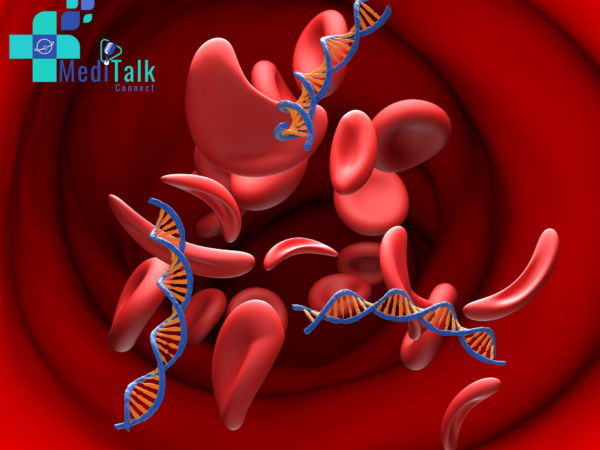
Endometriosis is more than just a medical term—it’s a silent battle that affects millions of women worldwide. Painful periods, chronic fatigue, infertility, and emotional distress are only a part of the reality these women endure every day. Despite decades of research, the root causes of endometriosis remain elusive, leaving countless women searching for answers. Recent studies, however, suggest a compelling link between modern environmental pollutants and ancient genetic variants, opening new doors for understanding why some women develop this debilitating condition while others do not.
The Modern Pollution Factor: How Our Environment Fuels Endometriosis
In today’s industrialized world, women are exposed to an array of chemicals in everyday life. From pesticides in our food and plastics in our household products to air pollutants and endocrine-disrupting chemicals, these environmental toxins can interfere with hormonal balance and trigger inflammation in the reproductive system.
Scientific research indicates that these pollutants can mimic estrogen, a hormone central to the development and progression of endometriosis. When the body’s hormonal equilibrium is disrupted, abnormal tissue growth outside the uterus—a hallmark of endometriosis—can occur.
The urgency is real: Women living in highly industrialized or polluted areas may unknowingly increase their risk of developing endometriosis. Awareness and proactive lifestyle adjustments, such as reducing exposure to harmful chemicals, choosing organic foods, and using safer household products, could be critical steps in prevention.
Ancient Genetic Variants: A Legacy from Our Past
While environmental factors play a significant role, they do not act alone. Research suggests that some women carry ancient genetic variants, inherited over thousands of years, that predispose them to developing endometriosis. These variants may affect immune system function, hormone metabolism, and tissue repair processes, creating a biological vulnerability that interacts with modern pollutants.
Imagine a genetic blueprint that has survived millennia suddenly colliding with a world full of synthetic chemicals and processed foods. The result is a perfect storm, triggering the onset or exacerbation of endometriosis. This combination of old and new factors could explain why some women suffer severely while others remain unaffected despite similar lifestyles.
Taking Action: What Women Can Do Now
Understanding the dual influence of environmental toxins and genetic predisposition is more than an academic insight—it’s a call to action. Women cannot change their genes, but they can control their environment and lifestyle choices. Here’s what experts recommend:
-
Reduce Exposure to Endocrine Disruptors: Avoid plastics labeled with BPA, limit processed foods, and choose organic produce where possible.
-
Detoxify Your Environment: Use natural cleaning products, filter drinking water, and reduce exposure to air pollutants when possible.
-
Prioritize Gut and Hormonal Health: A balanced diet rich in anti-inflammatory foods, probiotics, and antioxidants can help regulate hormones and reduce inflammation.
-
Seek Early Diagnosis and Intervention: If experiencing chronic pelvic pain or irregular menstrual cycles, consult a gynecologist early. Endometriosis is easier to manage when caught in its early stages.
-
Support Research and Advocacy: Participate in awareness campaigns, fund research initiatives, and join support groups to empower women and accelerate scientific breakthroughs.
The Bigger Picture: Empowering Women Through Knowledge
Endometriosis is not just a personal health issue—it’s a societal challenge. Millions of women suffer in silence due to lack of awareness, late diagnosis, and insufficient research. By acknowledging the combined role of modern pollutants and ancient genetic factors, women can take informed action, reduce their risks, and advocate for better healthcare solutions.
The time to act is now. Every small change—from the products you buy to the lifestyle choices you make—can make a difference. And while genetics cannot be rewritten, our environment can be controlled, research can be advanced, and awareness can save lives.