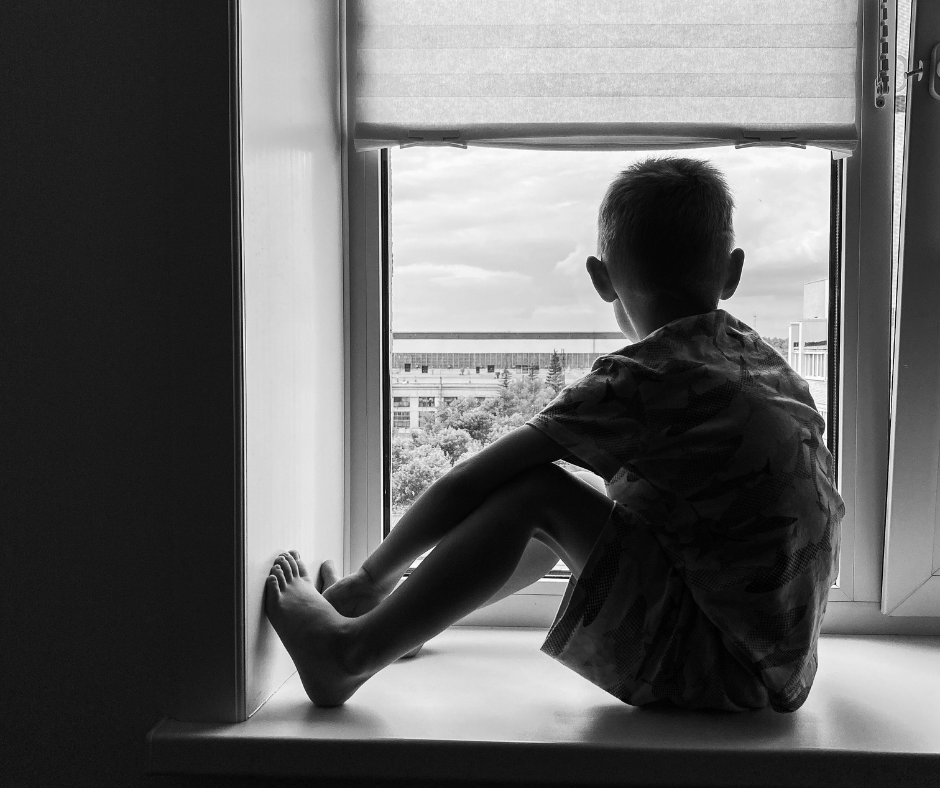
Loneliness in childhood is often dismissed as “a phase” — a shy child, a quiet student, or a kid who prefers to stay alone. But today, research is revealing something far more serious. Childhood loneliness may increase the risk of dementia later in life, silently wiring the brain for long-term emotional and cognitive struggle. This is not just a statistic. It is a wake-up call.
When Silence Becomes a Wound
A child who feels unseen, unheard, or unwanted experiences more than sadness. Their developing brain adapts to survive isolation. Stress hormones rise. Emotional regulation weakens. Cognitive development slows. Over time, this can evolve into anxiety, depression, poor sleep, and social withdrawal — conditions that follow many people into adulthood.
Now, researchers are uncovering a frightening link: the same emotional scars may contribute to brain decline decades later.
Dementia is not caused by loneliness alone — but loneliness compounds risk. It fuels inflammation, disrupts brain connections, and increases cognitive decline. When loneliness begins early, its impact can echo louder and longer.
This Is Urgent — Because Childhood Is Not a Practice Round
Children are not “resilient by default.” They adapt — but sometimes that adaptation costs them their future peace.
Think of the child who:
-
Eats alone at school
-
Has no safe adult to open up to
-
Feels invisible at home
-
Lives online because real-world belonging feels impossible
That child learns to expect isolation. And the brain remembers.
What happens when that child grows old?
They may struggle to build deep relationships. They may experience chronic stress. They may face a heightened risk of cognitive decline.
This is preventable — but only if we act now.
Belonging Is Medicine
Human connection protects the brain. Supportive relationships reduce stress, stimulate memory, build emotional intelligence, and strengthen neural pathways. When children experience warmth, safety, and inclusion, they build resilience that lasts for life.
A connected child becomes a healthier adult.
Parents, Teachers, Communities — This Is Your Moment
Ask yourself:
-
Does every child you know feel like they matter?
-
Do they have at least one safe person to talk to?
-
Are they being heard — truly heard?
Children rarely say “I feel lonely.”
They say:
“I don’t want to go to school.”
“I don’t have friends.”
“I’m fine.”
Listen deeper.
Practical Steps That Save Futures
Bold change begins with simple action:
-
Create environments where every child is welcomed
-
Encourage open conversations about feelings
-
Reduce bullying — online and offline
-
Teach empathy intentionally
-
Build strong family routines
-
Notice the quiet child — not only the loud one
Because ignoring childhood loneliness is not harmless.
It is a risk — one that may follow them for life.
The Call to Act — Today
We cannot rewrite the past, but we can transform the future. Childhood loneliness is not “small.” It is not “temporary.” It is a signal that we must respond to with courage, compassion, and urgency.
Every child deserves connection.
Every child deserves a place where they belong.
Every child deserves a future protected from preventable risk.
And that future begins with us — now.