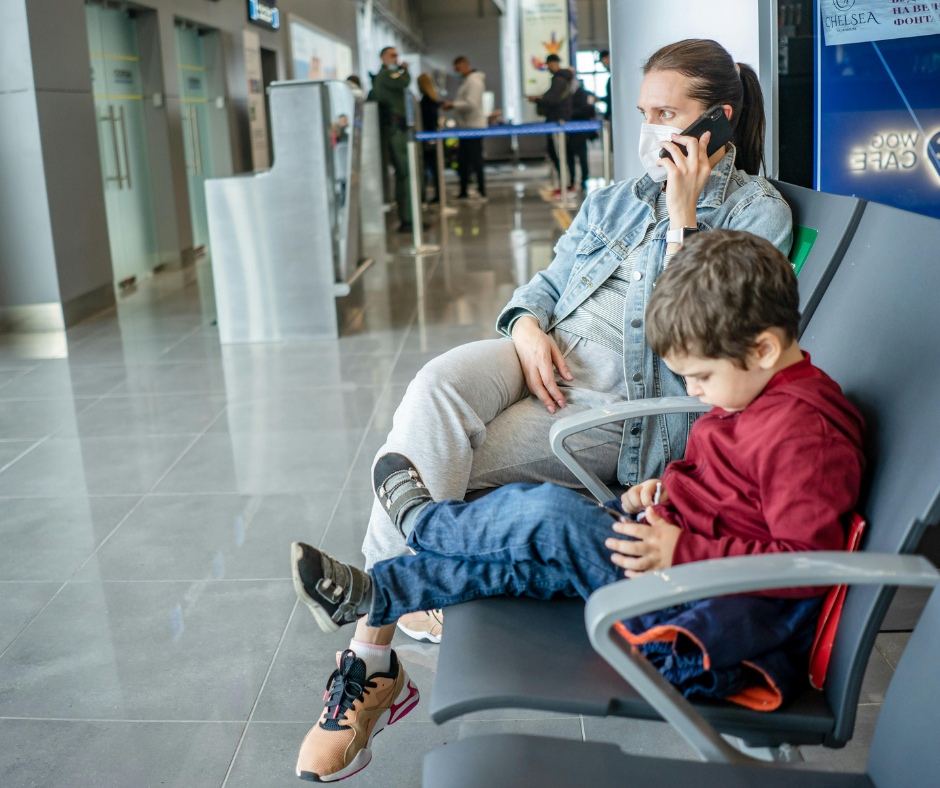
The conversation around children and smartphones has reached a breaking point. What once felt like a harmless tool for communication has quietly transformed into one of the most powerful psychological influences in a child’s life. A growing number of psychiatrists, child psychologists, and mental health experts now suggest a clear and urgent boundary: children should not have smartphones before the age of 12.
This is not fear mongering. This is not nostalgia for a pre digital past. This is a warning rooted in neuroscience, emotional development, and years of clinical observation. The question is no longer whether smartphones affect children. The real question is whether we are willing to act before the damage becomes irreversible.
A developing brain is not designed for a smartphone world
A child’s brain is still under construction. Before the age of 12, the areas responsible for emotional regulation, impulse control, attention span, and self identity are highly sensitive. Psychiatrists emphasize that constant smartphone exposure interrupts this delicate process.
Smartphones deliver endless stimulation. Notifications, videos, games, likes, and messages flood the brain with dopamine. For an adult, this is distracting. For a child, it is rewiring. The brain begins to crave constant reward, making focus, patience, and boredom almost unbearable. Over time, this can lead to attention difficulties, emotional instability, and reduced resilience.
Waiting until after 12 allows the brain to develop foundational skills before being exposed to an always on digital environment. This is not about banning technology. It is about timing.
Emotional health is silently at risk
One of the strongest reasons psychiatrists urge delay is the emotional toll smartphones take on young children. Anxiety, low self esteem, sleep disturbances, and mood swings are increasingly common among children with early smartphone access.
Social comparison begins earlier than ever. Children measure their worth through likes, views, and online validation before they even understand who they are. This can plant seeds of self doubt that last well into adulthood.
Psychiatrists report a rise in children struggling to manage emotions because smartphones replace real world coping mechanisms. Instead of learning how to sit with discomfort, boredom, or frustration, children escape into screens. This avoidance weakens emotional strength.
Delaying smartphone use gives children time to build real confidence through play, friendships, imagination, and failure. These experiences cannot be downloaded.
The social cost parents do not see coming
Many parents give smartphones to help children stay connected. Ironically, early smartphone use often does the opposite.
Children under 12 are still learning how to read facial expressions, tone of voice, and social cues. Face to face interaction is essential at this stage. Smartphones reduce real conversations and replace them with text, emojis, and short clips. This limits empathy development and deep communication skills.
Psychiatrists warn that children who grow up communicating primarily through screens may struggle with real relationships later in life. They may feel connected but remain emotionally isolated.
Waiting until after 12 helps ensure that children learn how to connect deeply with others before entering the digital social world.
Sleep, focus, and learning are paying the price
Smartphones disrupt sleep patterns, especially in children. Blue light exposure affects melatonin production, making it harder to fall asleep and stay asleep. Poor sleep in children is linked to memory problems, irritability, reduced academic performance, and weakened immunity.
In classrooms, early smartphone exposure is associated with shorter attention spans and reduced ability to engage deeply with learning. Children become accustomed to rapid stimulation, making traditional learning feel slow and frustrating.
Psychiatrists argue that protecting sleep and focus during early childhood is one of the strongest reasons to delay smartphones. Once these habits are broken, they are difficult to rebuild.
This is not about control, it is about protection
Some argue that restricting smartphones is unrealistic in a digital world. But psychiatrists are not calling for isolation. They support structured, supervised technology use through shared devices, educational tools, and limited screen time.
The key difference is ownership and independence. A smartphone is not just a device. It is a private portal to the internet, social media, and adult content. Giving this level of access to a child under 12 places responsibility on a brain that is not ready to handle it.
Delaying smartphones is an act of care, not control. It sends a powerful message to children that their mental health matters more than convenience or peer pressure.
The urgency parents can no longer ignore
Every year of delay makes a difference. Psychiatrists stress that once unhealthy digital habits are formed, reversing them becomes harder. Early intervention is far more effective than damage control in adolescence.
Parents often wait for a crisis before acting. Anxiety spikes. Grades drop. Behavior changes. By then, the smartphone is already deeply embedded in the child’s emotional world.
The urgency lies in prevention. Setting boundaries before age 12 can reduce the risk of long term mental health challenges and support healthier relationships with technology later in life.
What parents can do right now
Parents do not need to feel powerless. Psychiatrists recommend starting with honest conversations about technology, setting clear family rules, and modeling healthy screen behavior. Children learn more from what parents do than what they say.
Introduce technology slowly. Keep devices in shared spaces. Encourage outdoor play, reading, creativity, and unstructured time. These experiences strengthen the brain in ways screens never can.
Most importantly, do not let fear of being different drive decisions. Protecting a child’s mental health is more important than fitting in.
A healthier digital future starts with one decision
The suggestion to wait until after 12 is not extreme. It is measured, evidence based, and deeply human. Psychiatrists are not asking parents to fight technology. They are asking them to respect childhood.
A child gets only one chance at a healthy emotional foundation. Smartphones can wait. Their mind cannot.