
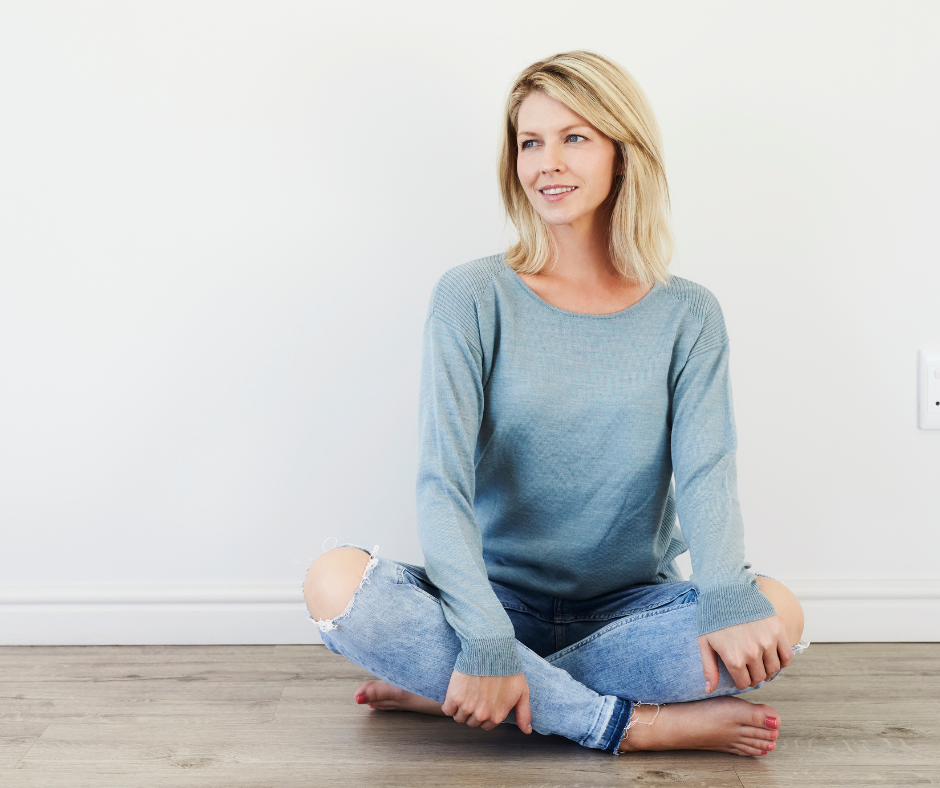
Why Sitting Cross-Legged Might Be Riskier Than You Think
For many, sitting cross-legged is second nature. It’s comfortable, casual, and often culturally ingrained. But what if this seemingly harmless habit is quietly harming your body? Medical experts and physiotherapists are raising alarms about the hidden risks of prolonged cross-legged sitting—risks that could affect your posture, joints, and overall health.
The Hidden Dangers of Sitting Cross-Legged
-
Impact on Your Spine and Posture
When you sit cross-legged, your pelvis rotates slightly, which can misalign your spine over time. This posture may seem harmless during short periods, but for those who sit this way for hours daily, it can lead to chronic back pain, spinal misalignment, and muscle imbalances. -
Knee and Hip Stress
Cross-legged sitting puts extra pressure on your knees and hips. Individuals with pre-existing conditions such as arthritis or meniscus injuries may experience worsening pain or long-term joint damage. Even healthy joints can develop strain if this position is habitual. -
Circulation Problems
Crossing your legs for extended periods can restrict blood flow, increasing the risk of varicose veins, swelling, and numbness in your legs. People with circulatory issues or a predisposition to blood clots should exercise particular caution. -
Digestive and Organ Pressure
Sitting cross-legged compresses your abdominal region, which may impact digestion and organ function over time. Those with digestive disorders might notice discomfort or exacerbated symptoms after prolonged sitting.
Who Should Avoid Sitting Cross-Legged
-
Individuals with knee or hip injuries
-
People suffering from lower back pain or spinal issues
-
Anyone prone to circulatory problems or varicose veins
-
Pregnant women or individuals with abdominal discomfort
Safe Alternatives for Sitting
-
Straight-backed chair sitting: Keep both feet flat on the floor to maintain spinal alignment.
-
Ergonomic cushions or stools: Support proper posture without stressing your joints.
-
Short breaks and stretching: Stand, stretch, or walk every 30–60 minutes to improve circulation.
Action Steps You Can Take Today
-
Assess your sitting habits: Notice how often you sit cross-legged and for how long. Awareness is the first step to prevention.
-
Switch to supportive seating: Chairs with lumbar support or a small cushion under your hips can dramatically reduce strain.
-
Incorporate movement breaks: Set a timer to remind yourself to stand, walk, or stretch every hour.
-
Consult a professional: If you experience pain, numbness, or discomfort, seek advice from a physiotherapist or orthopedic specialist.
The Urgency You Need to Know
Your body is signaling what it can handle and what it cannot. Ignoring these warning signs may lead to chronic pain, permanent joint damage, or circulatory complications. The sooner you adjust your sitting habits, the faster you can prevent these long-term consequences. Your spine, knees, and overall health depend on the choices you make today—not tomorrow.
Final Thoughts
Sitting cross-legged may feel natural, but it’s not universally safe. By understanding the risks, recognizing your body’s signals, and adopting healthier sitting practices, you can safeguard your joints, circulation, and posture for the years to come. Don’t wait until pain becomes a reality—start today.


